

As we consult to purpose-driven organizations, we share our learnings, experiences, and insights on how purpose and strategy, organization design, change activation, and executive coaching are practiced across the social impact space.

The Simple Math of Nonprofit Merger Integration
The Nonprofit sector is gearing up for a significant increase in the number of mergers, acquisitions, and strategic partnerships as organizations face funding cuts and look to consolidate programs and services for more concentrated impact. But nothing will succeed without careful and well planned integration based on robust Organization Design principles. This article discusses the math problem of nonprofit merger integration and how to harmonize organizations well.

Downsizing by Design: A Guide for Nonprofits
Nonprofits across the country are facing the task of quickly downsizing to match their reduced budgets. How organizations go about downsizing will have long-term implications for their organizations and the field. Downsizing by design is a process 11A Collaborative has been using across a number of clients. It offers a trauma-informed approach to collective change, engaging the organization in intentionally designing a new path forward in the face of lost funding.
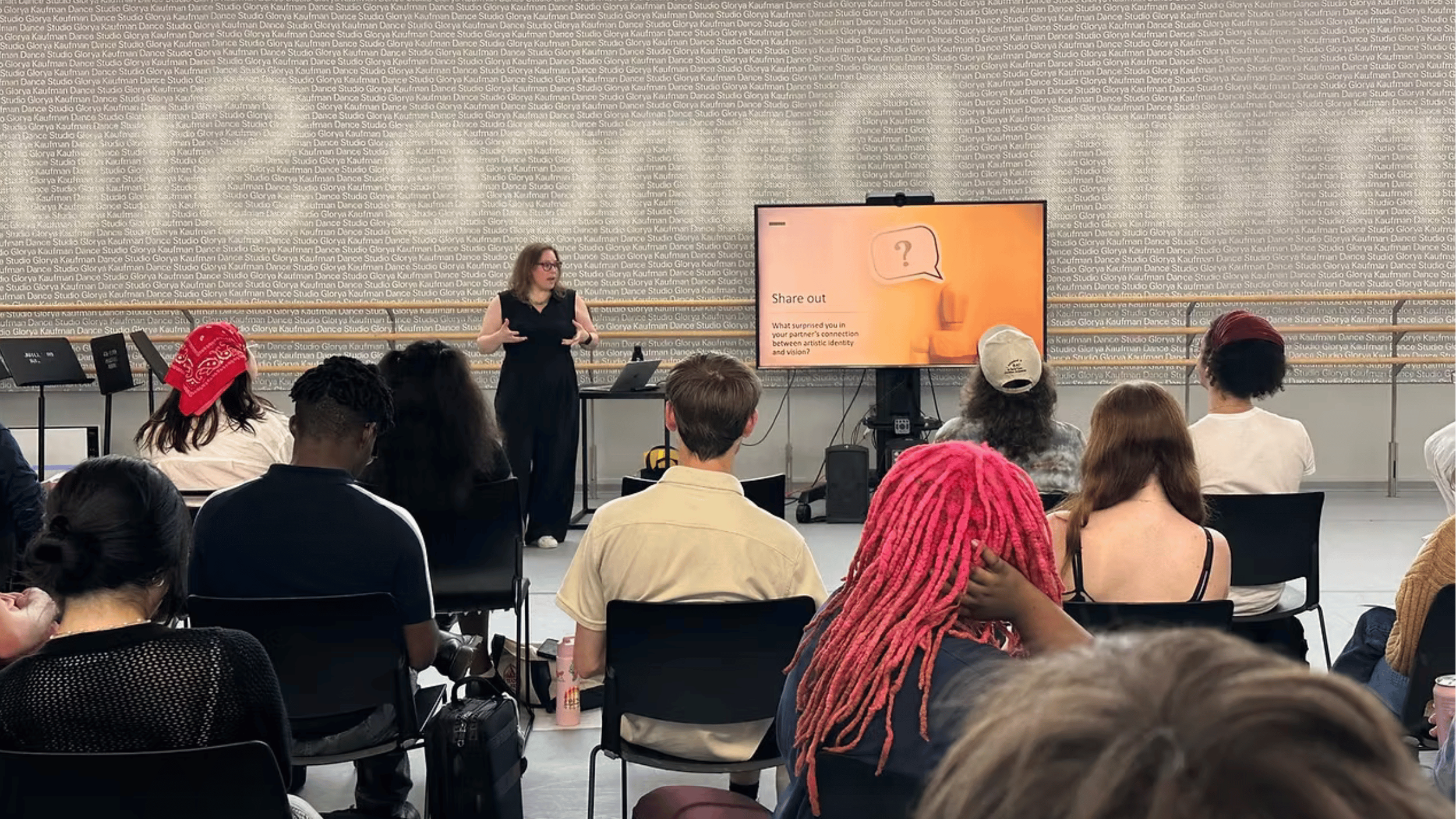
Early Thoughts on the Arts Talent Lifecycle
In this blog, Jessica Phillips reflects on the lessons she’s learned throughout her career: from implementing a supportive tenure process at the Met to reshaping how music education prepares students for the complexities of modern artistry. She shares her insights on fostering creativity, advocating for change, and embracing failure as a stepping stone to success.
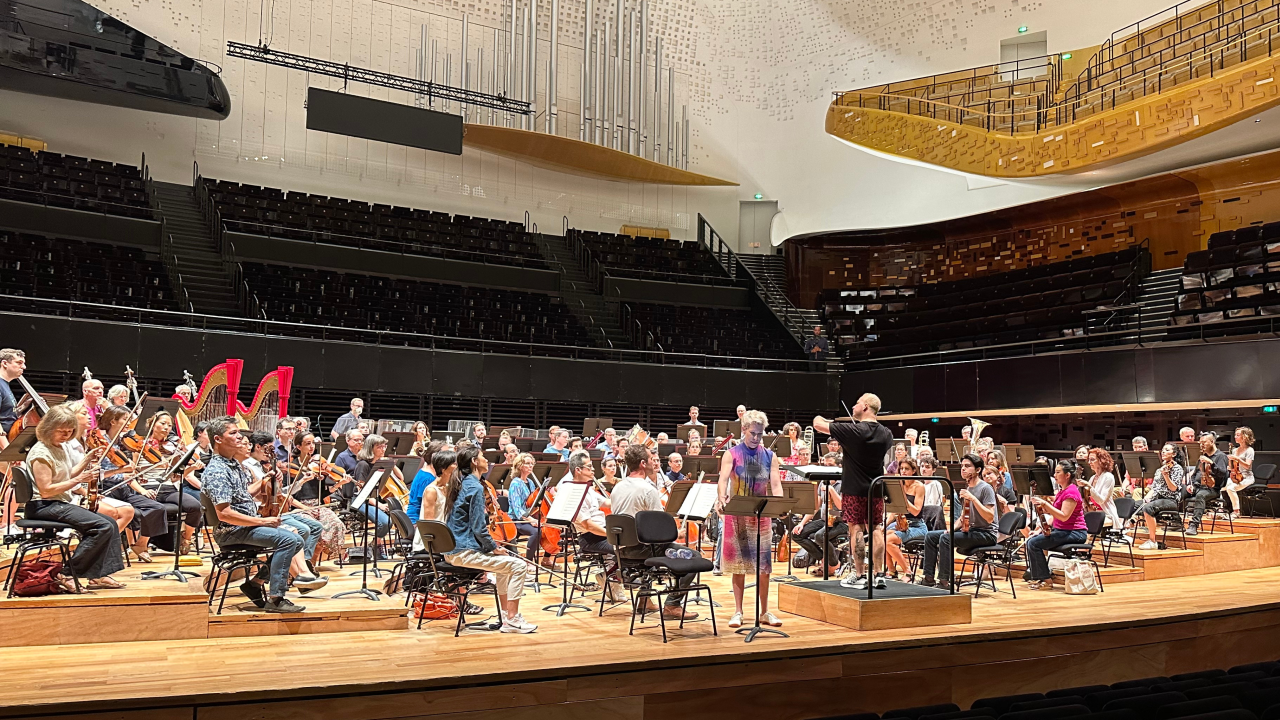
Music Lessons for Organization Design & Development
It was in Paris that music reinforced the need to engage clients in the dynamic co-creation of organizational outcomes. In the booming nature of the Philharmonie, Yannick Nézet-Séguin suggested the musicians “let the hall finish the notes.” Rather than producing a complete package, he encouraged them to be in conversation with their surroundings, to play with the environment rather than for it

Culture at the Core: How Orchestras Move Forward
In the music industry, it is time for us to confront our deeply held cultural norms. Musicians are taught to do things the way they have always been done. Rarely do we hear that it could or should be different. Recently, however, a growing number of people in the industry have found the status quo unacceptable. To move forward, we must confront the tension between maintaining the traditions of our past and the necessity of creating modern, inclusive, and safe cultures.

Collaborative Diagnosis in Organization Design & Development
After spending seven hours in the emergency room, one notices the similarities between doctors and consultants. Both are helping professions that rely on external intervention in complex systems where accurate diagnosis of system behavior leads to measurable improvement. More so, both use shared participation and accountability.

The Causes of War: Implications for Organization Design & Development
What does war theory tell us about Organization Design and Development? 15 years ago I took an undergraduate seminar in the causes of war at Swarthmore College influence my understanding of organizations and their leaders. This blog shows how Prospect Theory explains leadership and organizational behavior, and the role of the advisor in working with it.

Awareness, Humility, and Will: A Three-Element Process for Self-Concept Development
After the arrival of COVID-19, the “Organization Development Review” requested papers on how we could face the challenges of 2020 and beyond. Julian Chender and Dr. Corrie A. Voss wrote this piece with the help of Dr. Frances Baldwin. It builds on the work of the late Dr. Irv Rubin, exploring how self-concept development is needed in times of disruption. While ingrained self-concepts can be altered, very little is known about how this occurs. We offer an initial model of how experiences might dislodge and reshape the self-concept using the elements of Awareness, Humility, and Will.